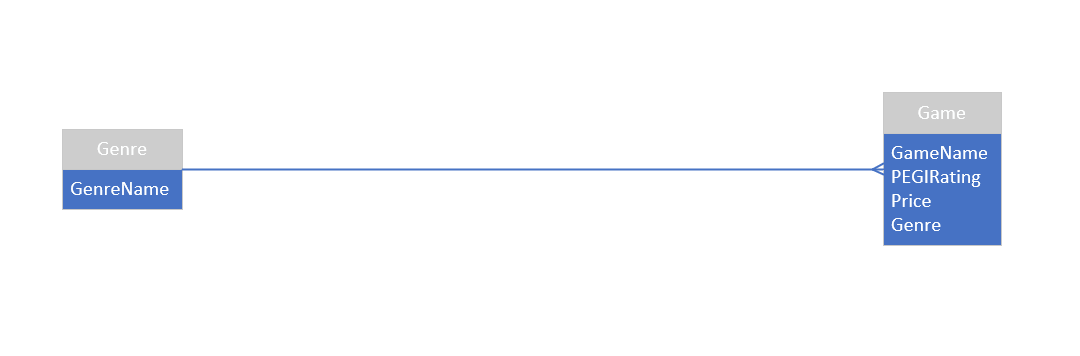
Logical Model




The Logical Data Model builds upon the conceptual model by adding more detail, defining attributes for each entity, and specifying the relationships more precisely. It remains independent of any specific database technology (e.g., relational, NoSQL).
Value:
- Detailed Business Rules: It captures more detailed business rules and constraints, ensuring data integrity.
- Technology Independence: Being database-agnostic, it allows for flexibility in choosing the best database technology later on.
- Improved Communication: It provides a more detailed understanding of the data structure for both business and technical teams.
-
Foundation for Physical Design: It translates the business requirements into a structured format that can be directly mapped to a physical database design.
Example: Extending the e-commerce example, the logical model for "Customer" might include attributes like "CustomerID," "FirstName," "LastName," "Email," and "Address." The relationship "Customer places an Order" would be further defined with cardinality (e.g., one customer can place many orders).
GRAPHIC